
Let customers speak for us
Awesome tasting coffee with a fantastic company service

Certainly a different taste with banana tones. Ok once you've had a few cups and get used to the fruity taste.


I’ve been using WBR for 18mths now and mainly having the Signature Gold with the odd small batch or other blend from time to time. I’ve used Pact and Exhale coffee roasters in the past but neither come close to the Signature Gold blend and service from WBR. Alex has always been super quick to respond to any questions and shipping is normally very quick.

Following a forced switch to decaf, I turned to the internet to tell me which decaf was the best! However it was a Facebook ad that caught my attention and I am so glad I clicked on the link. It is delicious! Really flavoursome. It is now a treat drink and I look forward to savouring it.

I enjoy getting up and having a large espresso every morning but since I have ordered your dark and medium roast the experience has heightened even more. The flavours are ripe and fresh and the crema is beautiful. It pours like liquid gold as I watch my Sage Bambino prepare my morning ritual. Thank you for such a great product I can not fault it. Awesome!
Love it! Makes a great espresso, once dialled in I'm getting 36g in around 30 seconds consistently. Lovely crema, well balanced flavour... Happy days!

Fast delivery as usual ! I treated these beans as Medium to light roast with a slightly courser grind in a Sage grinder and expresso machine - quite easy to dial in. Great result and a lovely taste. Still working on my latte art - 2 months in !

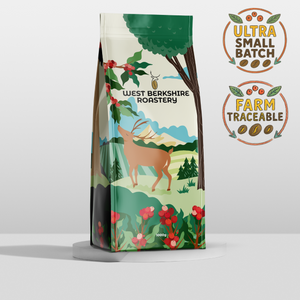
I’m now hooked on this coffee after this taster pack - it’s a great way to try a selection of their range and a very generous size! I love the artwork on the bag too!

Came across this coffee on Google as I was searching for mycotoxins free organic coffee and thought I’d give them a try. I went for the signature roast based on the amount of reviews and awards the have won. When I pulled my first shot of espresso I didn’t really like the taste. I realised this was because the beans were too fresh and so they weren’t dialled in yet; as time went on the taste began to get better and better. After about 1.5-2 weeks of the roast date (and proper dialling in) I can confidently say this is one of the best coffees I have ever had! I have learnt that fresh beans give off CO2 gas and the beans need to rest for a small period before they can be used. I will definitely be using WBR as my go to coffee and will be ordering regularly. I’m using the sage barista pro, grind settings are inner burr: 4, outer set to 6 / 7 depending on how you like it and extraction time is 25-30 seconds for a 1:2 ratio. I get perfect golden crema which is foamy and a full body taste profile with this setup. I will be experimenting with 1:3 ratio too. I would highly recommend WBR and will be trying out their other roasts
Finally a great tasting clean coffee that is also ethical & sustainable! I’ve been trying different brands for months and now I can stop searching as I’ve found a clear winner!
Having tried nearly all the organic coffee beans available online in the UK I must say Signature Gold is by far the most satisfying cup of coffee one can make at home either as a straight black or espresso
Top coffee & quick service. Don’t put money in the pockets of the below par supermarket brands. Buy from these guys and support a local independant business
This Christmas yeti coffee is delicious savouring my last few beans I have been brewing it in a Vietnamese phone coffee filter which my daughter brought me back from her time there. The coffee is rich of chocolate and sweet of toffee notes simply delicious.


